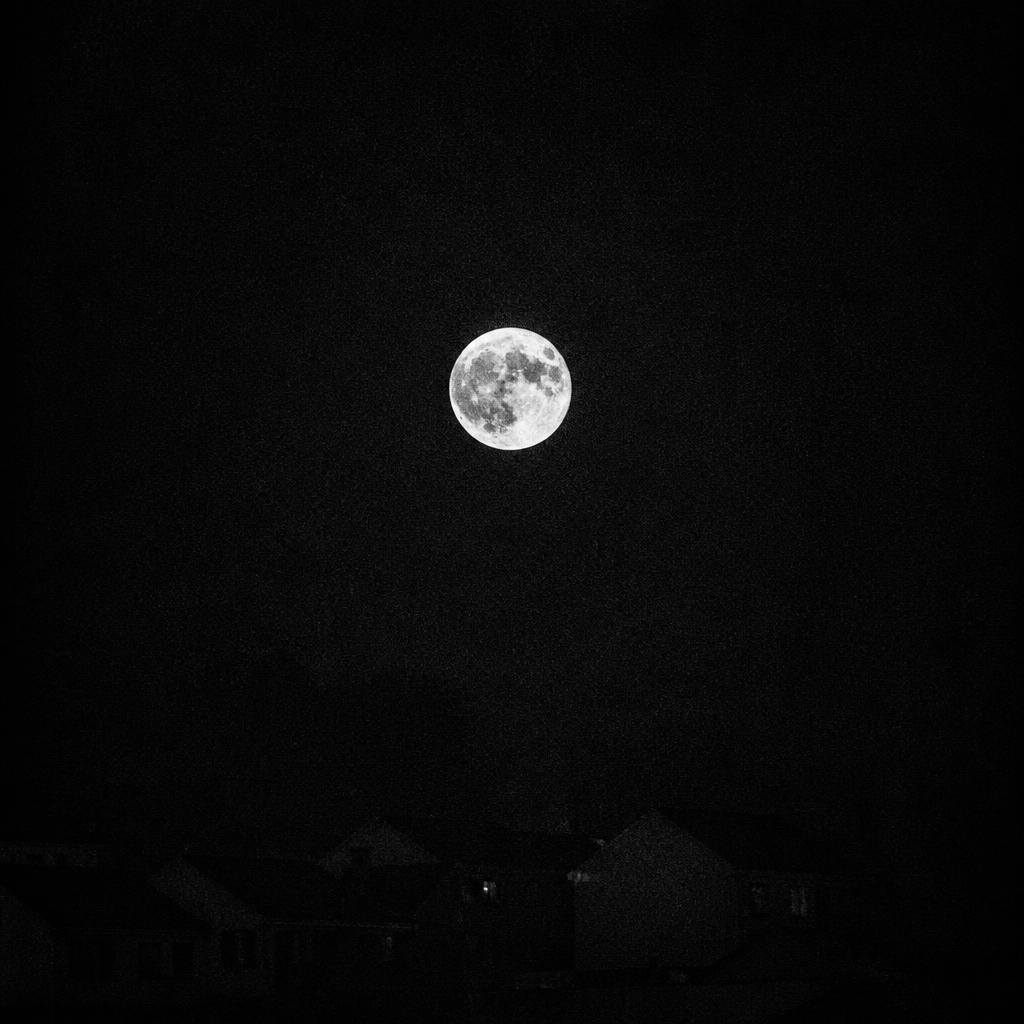
Every full moon, the same message goes out in some group chat: 'is the moon why I can't sleep?' The lore says yes, loudly, and has said so for several thousand years. The science says: actually, sort of. Which makes full-moon insomnia one of the rare places where the almanac and the laboratory end up in the same room, looking at the same strange data, shrugging in the same direction.
The folklore first, because it's older than the buildings you've lived in. Nearly every culture marks the full moon as a peak of wakefulness: festivals and night markets scheduled under it, fishermen and farmers working by it, and on the darker end, the whole etymology of 'lunacy', from luna, built on the conviction that the bright moon stirs minds. Sleep was for the dark halves of the month. The full moon was for being up. The claim that you, personally, lie awake under it is the dilute modern residue of a very old operating manual.
Now the lab. A handful of serious sleep studies, the best known from the University of Basel in 2013, found small but measurable effects: around the full moon, people in windowless sleep labs took about five extra minutes to fall asleep, slept about twenty minutes less, and showed roughly a third less deep slow-wave sleep, with melatonin levels dipping to match. The windowless part matters: the subjects couldn't see the moon, and neither they nor the researchers were thinking about lunar phase when the data was collected; the correlation surfaced in reanalysis. Later studies of Indigenous communities in Argentina and college students in Seattle found the same shape: people stay up later and sleep less in the nights leading into a full moon.
Before you tattoo it on anything: the effects are small, other studies have failed to find them at all, and sleep science remains genuinely divided. The honest summary is 'replicated by some, doubted by others, mechanism unknown'. The moon does not pull on the water in your body the way it pulls oceans; tides need scale, and you don't have it. The candidate explanations are humbler: moonlight itself (a full moon is bright enough to suppress melatonin if it reaches your window), an evolutionary hangover from millennia when one bright night a month was useful for hunting and socializing and slightly dangerous for deep sleep, or a faint circalunar rhythm in the body that science hasn't mapped. Pick your favorite; the data fits several.
Astrology, meanwhile, never needed the mechanism, because its reading was always functional: full moons mark peaks. The lunar month is a narrative arc, things begun at the new moon build, and the full moon is the crest where they finish, surface, and announce themselves. Emotions included. The almanac's claim isn't 'the moon's gravity agitates you'; it's 'this is the culmination chapter of the month, and your nervous system reads the calendar'. Under that reading, full-moon sleeplessness isn't malfunction. It's the system correctly registering a crescendo.
Notice that the two stories converge on advice. If the scientists are right, the cause is mostly light and arousal: so dim the house, screen the window, wind down earlier. If the astrologers are right, the cause is culmination energy: so honor the peak, finish what's cresting, and don't schedule your hardest morning after the brightest night. Different cosmologies, same Tuesday-night behavior. You rarely get that kind of agreement.
So here's the one trick that works under either theory: treat full-moon nights like small holidays. Know when they're coming (the calendar on our moon page does this for you), and plan those two or three evenings deliberately. Dim the lights earlier than usual. Put the phone down sooner, since you hardly need a second glowing disc. Move anything that needs a sharp 7am brain off the next morning if you can. And if sleep won't come anyway, don't fight it in the dark; the lore would tell you the night is for being slightly awake, so keep a notebook by the bed and let the surfacing thoughts land somewhere. What shows up on full-moon pages tends to be unusually honest.
There's also a quieter corollary people miss: if the full moon costs you sleep, the new moon usually refunds it. The same studies that found shallow sleep at the peak found the deepest, longest sleep in the darkest nights. The month breathes: one loud night, one quiet one, two weeks apart. Once you know the rhythm, you can stop treating every bad night as a malfunction and start treating a few of them as weather.
Tonight, check the phase before you check your sleep app. If the moon is fat and rising at sunset, you have your suspect, several thousand years of corroborating testimony, and at least three lab studies that won't laugh at you. Dim the lights, crack the curtain if you want to see the culprit, and let the bright night be what it has always been: not an enemy of sleep, exactly, but a monthly argument with it that you can learn to lose gracefully.