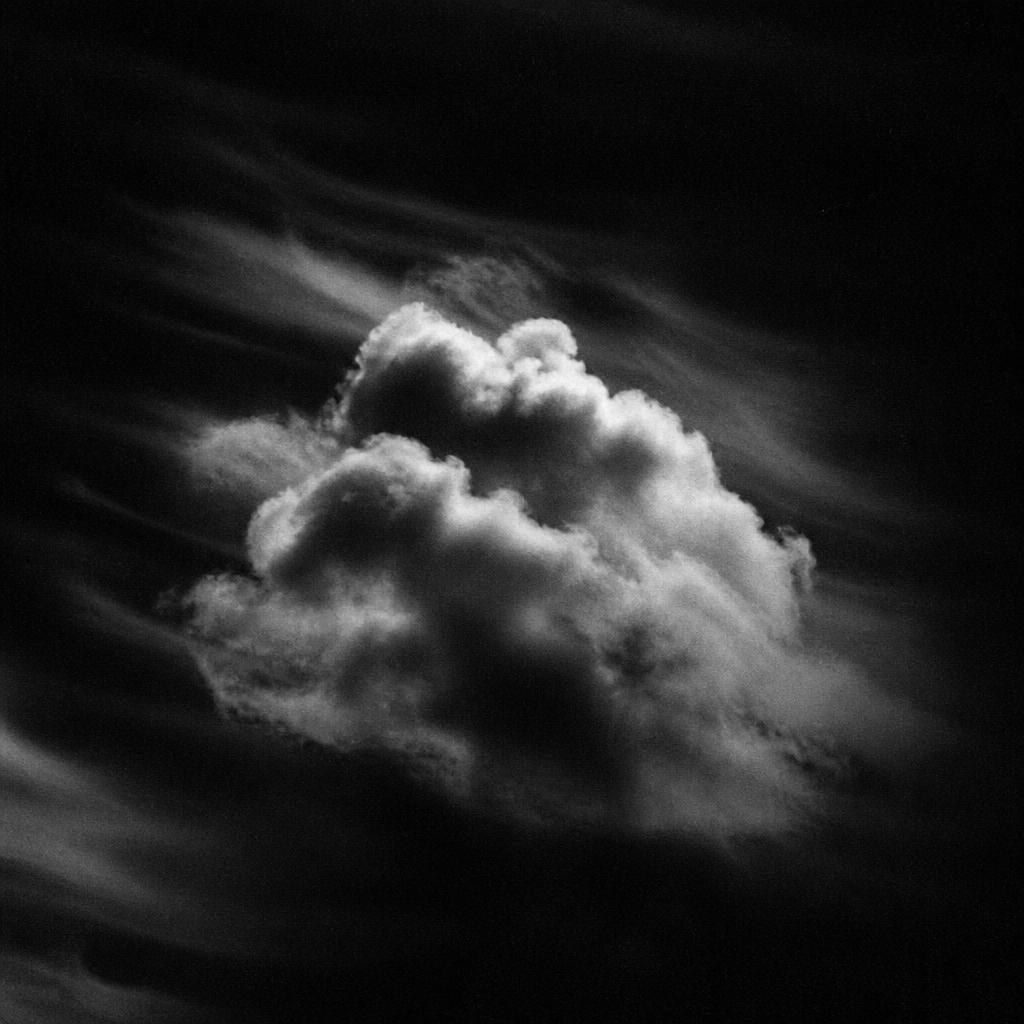
Step outside this evening and the light does something it won't do again for months. It goes gold long and slow, then lingers, refusing to close the day. Late July in the northern half of the world runs on a kind of borrowed abundance: the days are still long, the heat is deep and settled, and yet if you pay attention, the sun is already setting a few minutes earlier than it did in June. The peak is behind us. Nobody announced it.
This is the flat, full center of summer, and it has a texture all its own. Spring is a scramble. Everything is starting, budding, catching up. By late July the starting is done. The garden is either thriving or it isn't. The season has arrived at its own conclusion and is now just sitting in it, warm and unhurried, like a room after a large meal. That's why these Sundays feel suspended. There's nothing left to begin, and it's not yet time to wind down.
We tend to treat that suspension as a personal failing. You get to a late-July weekend with a vague to-do list and a stronger urge to do nothing, and some part of you files that under laziness. It isn't. It's the year's own rhythm showing through. Cultures that lived closer to the land built rest into exactly this stretch. The harvest hasn't come yet; the planting is long over. The work is mostly waiting. The body, if you let it, knows this.
There's a real physical reason the days feel both endless and short. We're just past the summer solstice by five weeks, so daylight is still generous, but the loss is accelerating. In late June the day length barely changes from one day to the next. By late July it's dropping faster, a couple of minutes a day, and by August you'll feel it in the dark that arrives at dinner. Right now you're at the top of the slide, where the descent has started but you can't quite see the bottom.
Heat lags light by about six weeks, which is why the hottest part of summer usually lands now, well after the longest day. The ground and the oceans have been soaking up sun since April and are only now fully saturated with it. So you get this odd doubling: the light is quietly retreating while the heat is at its absolute peak. The year is cooling in principle and warming in fact, all at once. No wonder it feels contradictory to be alive in it.
The weekday cadence makes it stranger still. Late July is peak vacation season for a reason older than any HR calendar. The work has hit a natural lull, and everyone half-knows it, so the offices thin out and the emails slow and a Wednesday starts to feel like a Sunday. If you're the one still working, the quiet can feel eerie, like being awake in a house where everyone's asleep. If you're the one resting, there's a faint guilt that you should be doing more. Both feelings come from the same source: a season that has stopped demanding and doesn't know how to tell you.
This is worth naming because the suspended feeling is easy to waste. You can spend a late-July Sunday in a low-grade agitation, neither resting nor accomplishing, checking your phone as if it might hand you an assignment. Or you can recognize the stretch for what it is: a genuine pause the year built in, one of the few times the natural world isn't asking anything of you. The trees aren't growing much. The days are coasting. The pressure you feel to produce is coming from inside the house.
There's a practical grace in matching yourself to the season instead of fighting it. If the year is coasting, coast with it for a day. Do the one thing that's nearly finished and leave the rest. This isn't about permission to be idle forever; August will arrive soon enough with its back-to-work urgency and its early dark. It's about not spending the rare flat top of the year in a crouch, braced for a demand that isn't coming this week.
You can also use the suspension to look, which is something summer's abundance usually crowds out. In the rush of June there's no time to notice how the light falls. Now there's nothing but time. Watch how long the shadows get by seven in the evening. Notice that the birds have gone quiet compared to May, their frantic nesting season over. Everything alive around you has finished its big push and is living off the results. That's not decline. That's the payoff.
If you want one thing to do tonight, do this. Go outside when the sun is low, around eight or a little after, and just stay out until the light actually goes. Don't bring a task. Watch the gold turn to grey and then to the deep blue that summer nights hold onto for an hour. Feel how warm the air stays even after the sun quits. That warmth is the six-week lag made physical, the stored heat of the whole first half of summer, and it will carry you into full dark without a chill.
While you're out there, look south and low for a steady, unblinking point of light. That's Mars, holding its place in the evening sky, one of the few bright things you can find without knowing anything about the stars. You don't need to make it mean anything. It's enough to locate one fixed point in a sky that's slowly turning, on a night in a year that's quietly turning too, and to stand still in the middle of both for a few minutes.
Then go back in without finishing anything. That's the assignment, and it's the honest one for this week. The year is holding its breath at the top of summer, full and warm and going nowhere in particular. You're allowed to hold yours too. September will hand back the long list of things to begin. Tonight, the only true task is to notice that there isn't one.